October 2025
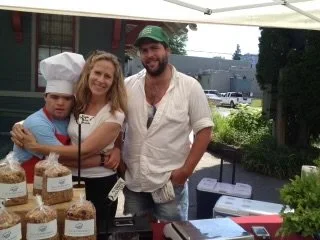
Vintage photo: Our first Farmers’ Market (June 2014)
As Julie and I prepare to head into the sunset and turn operations over to Peter, I wanted to get out a final 2025 newsletter telling the Ten Barn Farm origin story and reflecting briefly on what we’ve learned.
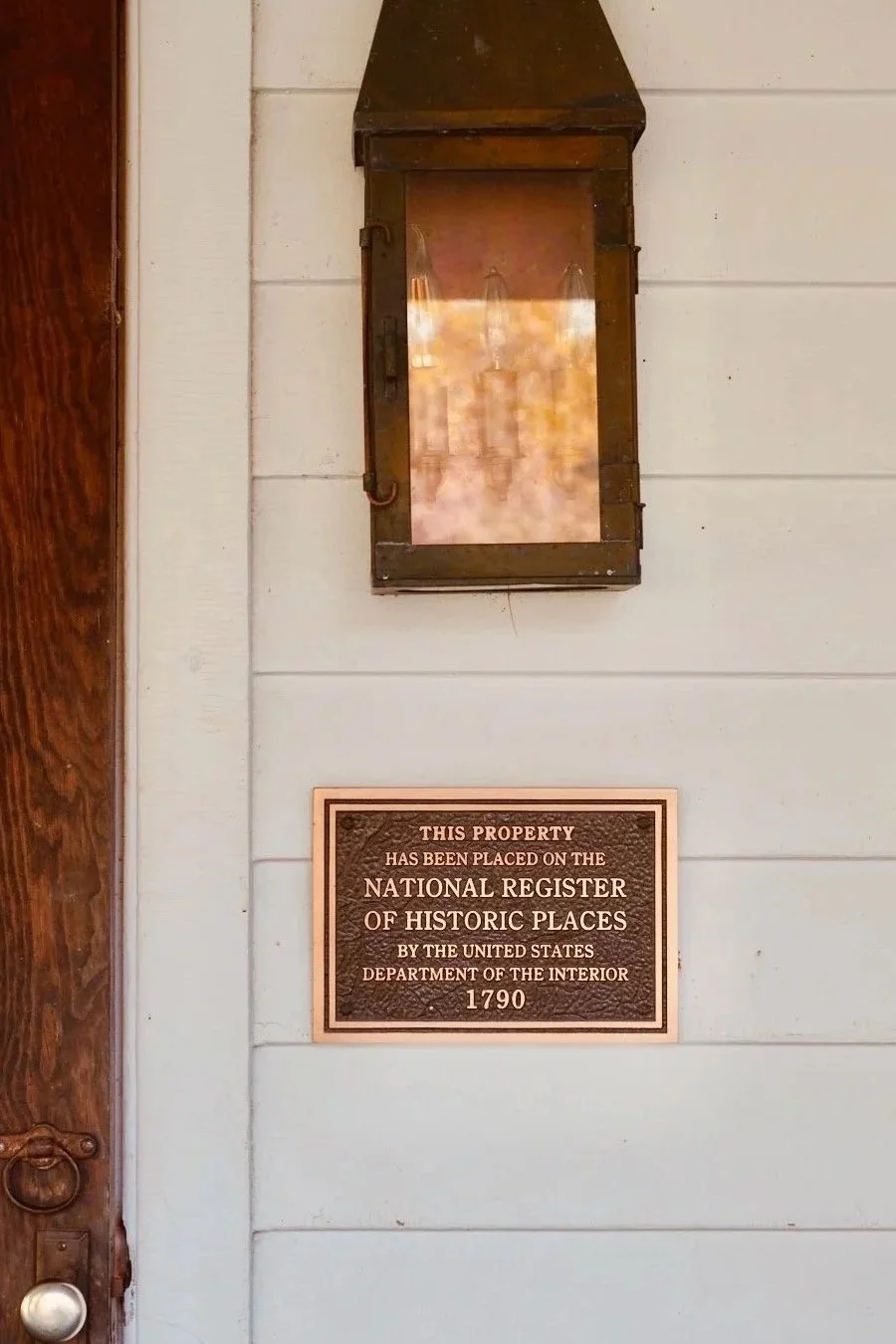
We bought the farm (circa 1790) in 2011. Our primary motivation was to live close to Matthew, our youngest son, who has Down Syndrome, and who had recently enrolled in Camphill Triform just outside of Hudson. His move out of the house left our home quiet and made my daily commute into NYC from Princeton, where we had lived happily for 30 years, seem intolerable now that Matthew was not benefitting from the Princeton schools.
When we began our real estate search we hoped to buy a farm. Peter, our middle son, had spent the previous three years farming in California and had become serious enough about sustainable agriculture that he completed a farming program at UC-Santa Cruz.
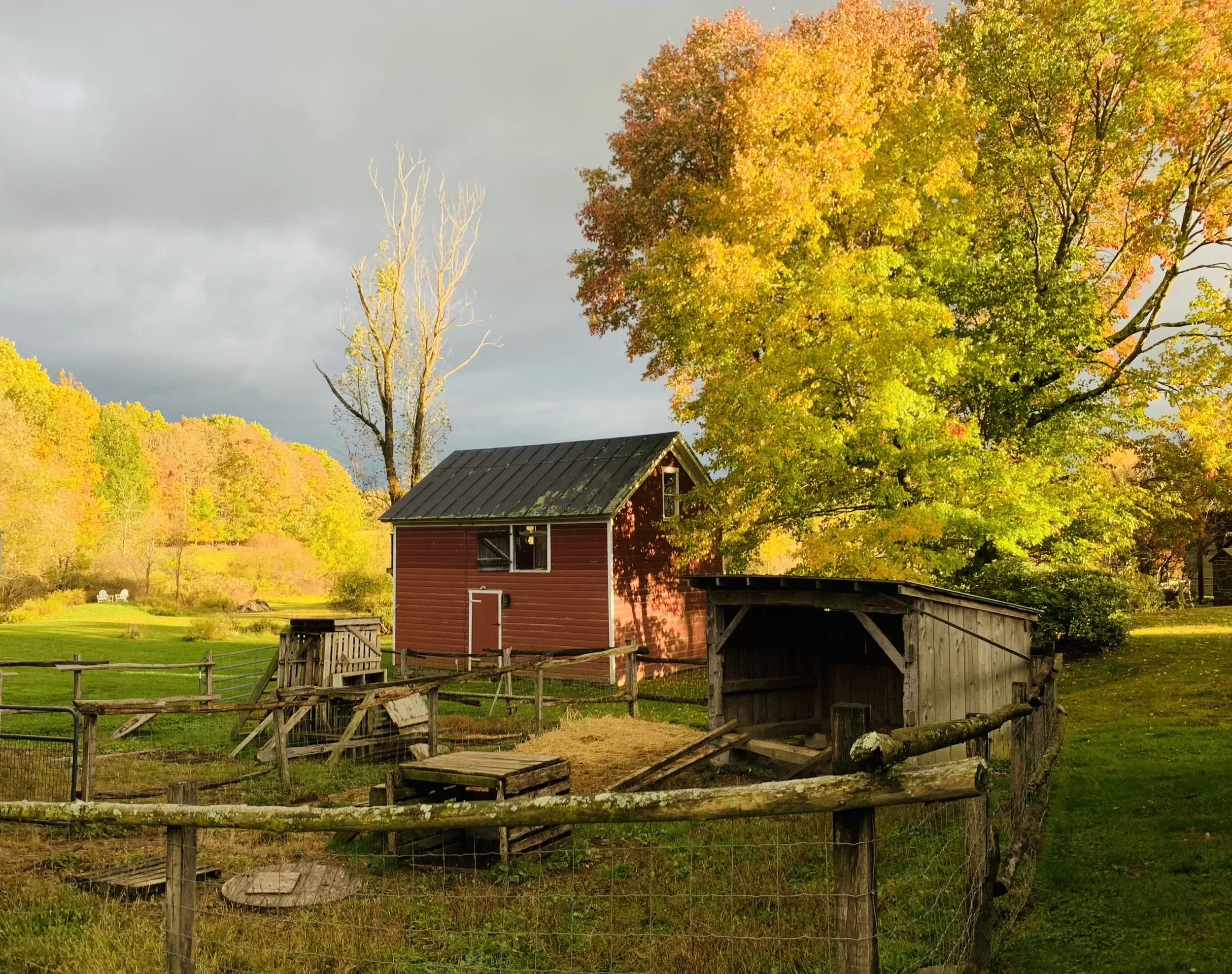
When Julie first saw the property and the gorgeous 225 year-old farmhouse, she was drawn to both the beauty and the authenticity of the farm. These buildings (including the stone smokehouse and the three-seater outhouse) had lived together for so long that there was a harmony to the farm that drew us to it, still it took us 9 months to wrap our minds around how much we would be biting off—so many old barns! Finally in February 2011 we did make the leap. We felt certain that we would find a path forward, but the path was not at all clear when we moved in. What was clear is the fields, which had been so generous to many generations, would welcome us, and if you put chickens in a barn built for chickens they know where to roost and where to lay their eggs.
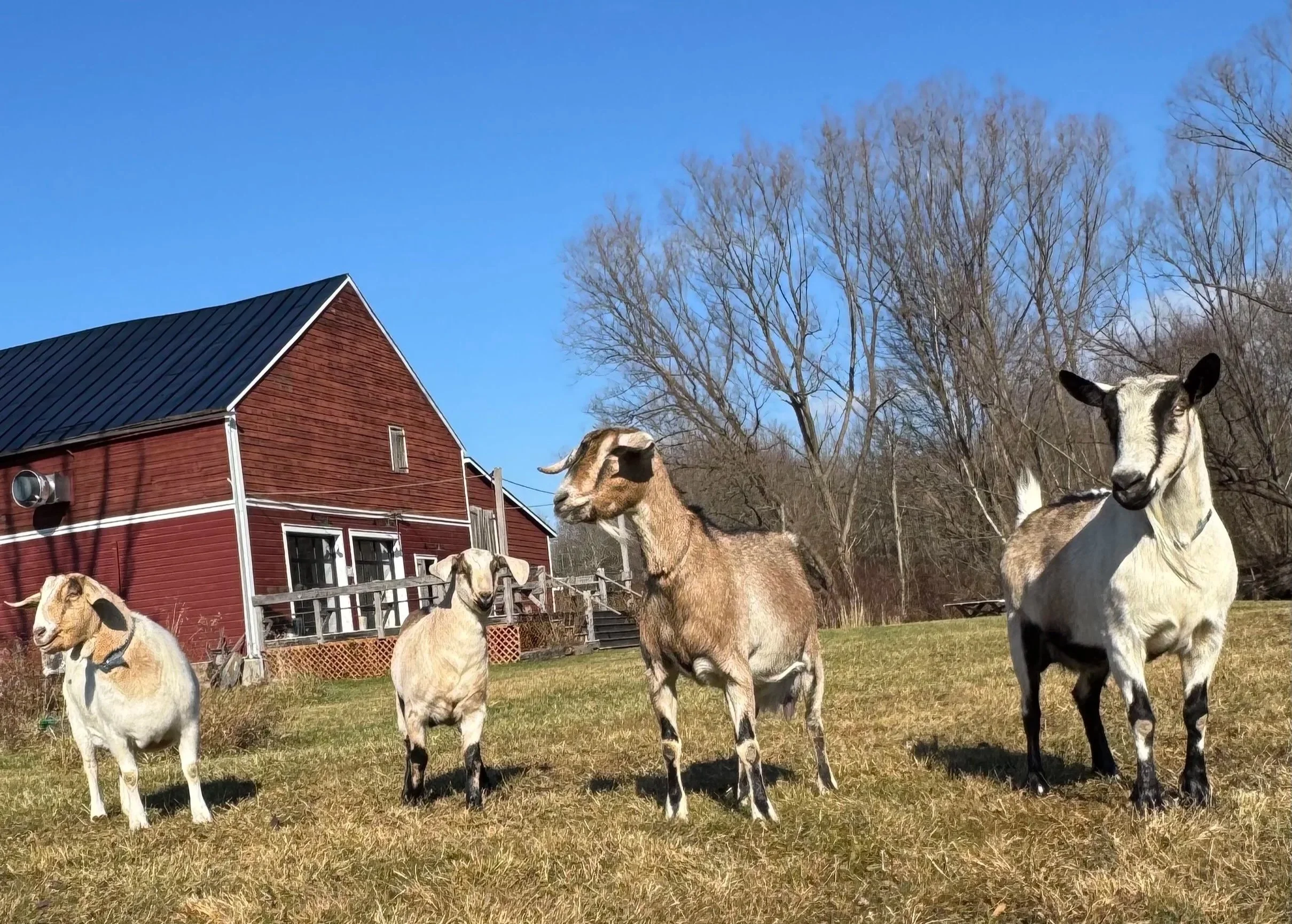
That first year we acquired two goats, Claire and Bernie, which became a focal point for Julie’s growing interest in cheese-making, 15 chickens and planted a big vegetable garden. The first big piece of our future fell into place when Peter decided to come back from California to farm the land, the early years selling at farmers’ markets, then to restaurants, and finally forming a Ten Barn Farm CSA–all the while nurturing the health of the fields.
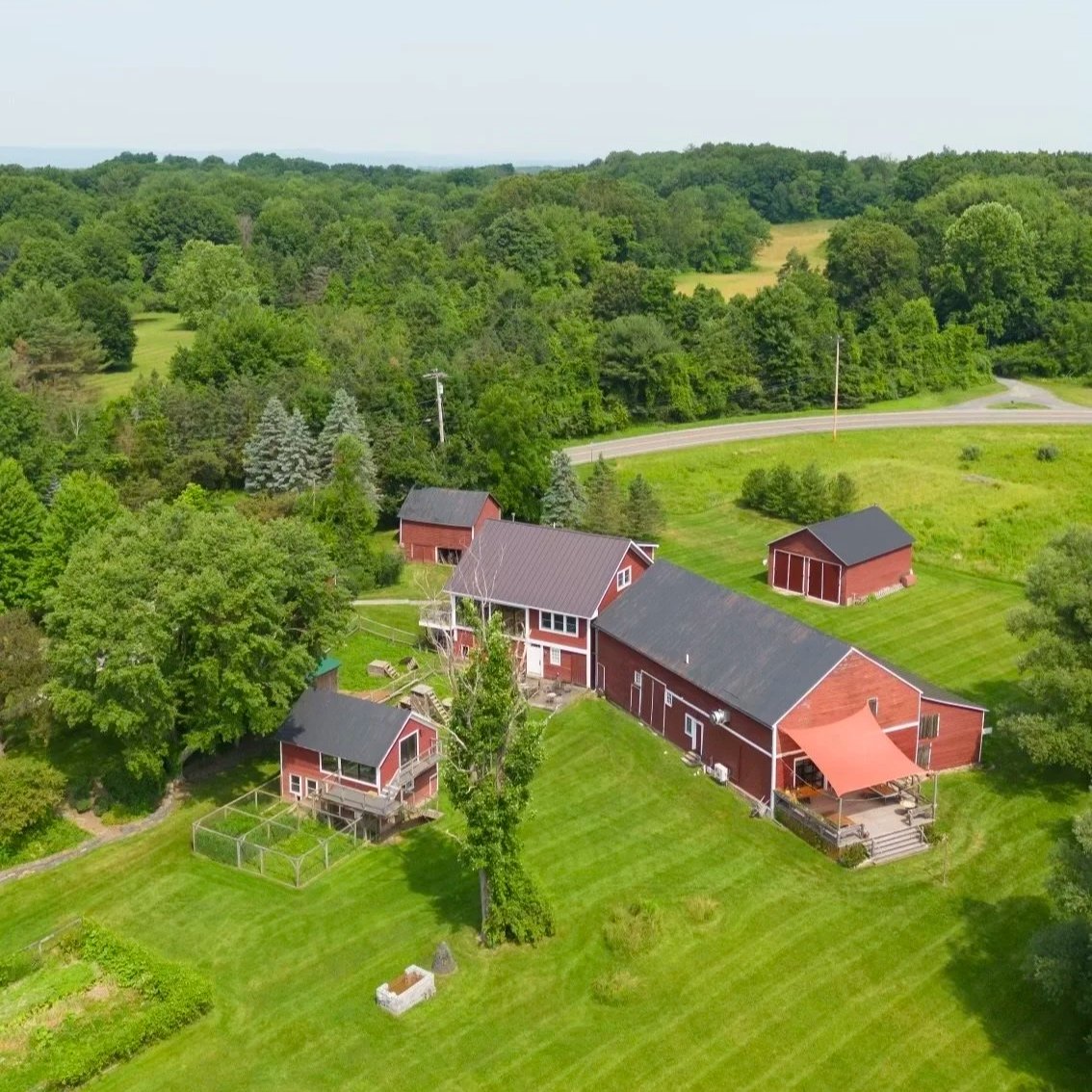
During that period of agriculture evolution, we literally jacked up three barns to rebuild foundations, fixed, replaced, or painted eight metal roofs, converted the hay barn into our living space, turned the second floor of the chicken barn into an office, built two patios, enlarged the goat playground, reclaimed the creek banks creating new paths, and built the 10th barn to house a modern tractor.
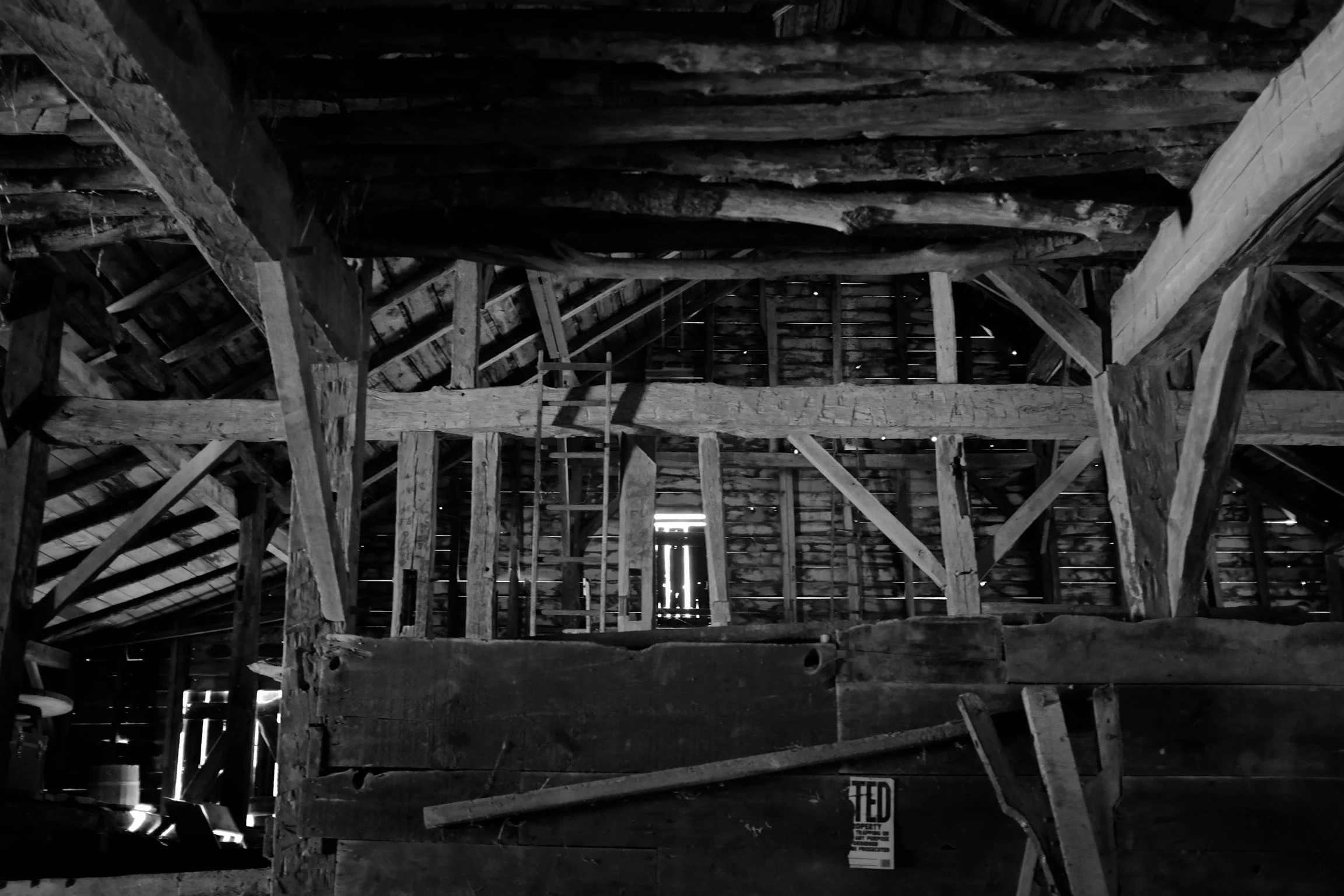
It was during this period that we stopped thinking of the all barns as maintenance burdens and started to see them as amazing, hand-hewn spaces for which we needed to find new purposes.
Beyond all the barns, we had hundreds and hundreds of old beams, boards, and barn doors with which to work–farmers never threw out anything that had any potential utility leaving us so many beautiful old things piled up waiting for a new opportunity to be useful and appreciated again.
I found the whole process more and more exciting, and while I had lots of ideas and energy, my skillset was quite limited. So many craftspeople contributed to the rebirth of the farm, but none more so than Bradley Kurtz who for the past 14 years has played a central role in both rebuilding and maintaining all these old spaces as well as finding the other people we needed to create today’s Ten Barn Farm. Before the cafe opened, while I was still working in NYC for the independent and employee-owned book publisher W.W. Norton (a place I loved working for 40 years), I would come up on the weekend and Brad would have saved the low-skill tasks for me, so that I could feel useful. I loved the manual labor and would get back on the train to the city most Monday mornings, physically tired from the hammering and sawing, but so satisfied with the ongoing fruits of our labor. The evolution of the farm was a lot of work, but it also made us happy every step of the way.
Nine years into our life on the farm, we still had the biggest and most beautiful barn on the property available for reinvention, and with my retirement date on the horizon, Julie and I started talking about her dream of opening a cafe.
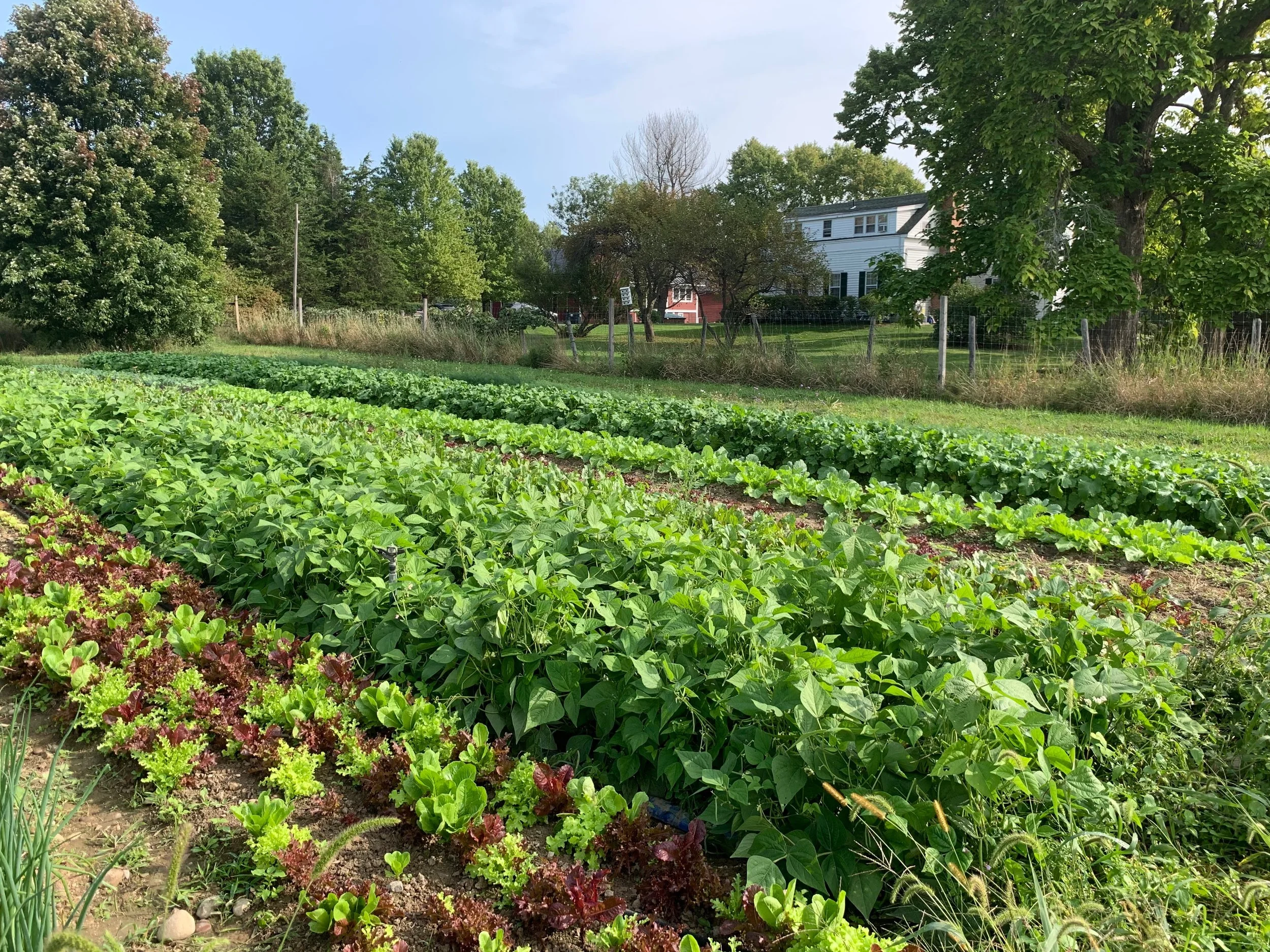
Peter had been farming for seven years at that point and was ready for a new focus to his crop planning, and the idea of growing vegetables that he and his mom could turn into zucchini pancakes or shakshuka for friends and neighbors was very appealing.
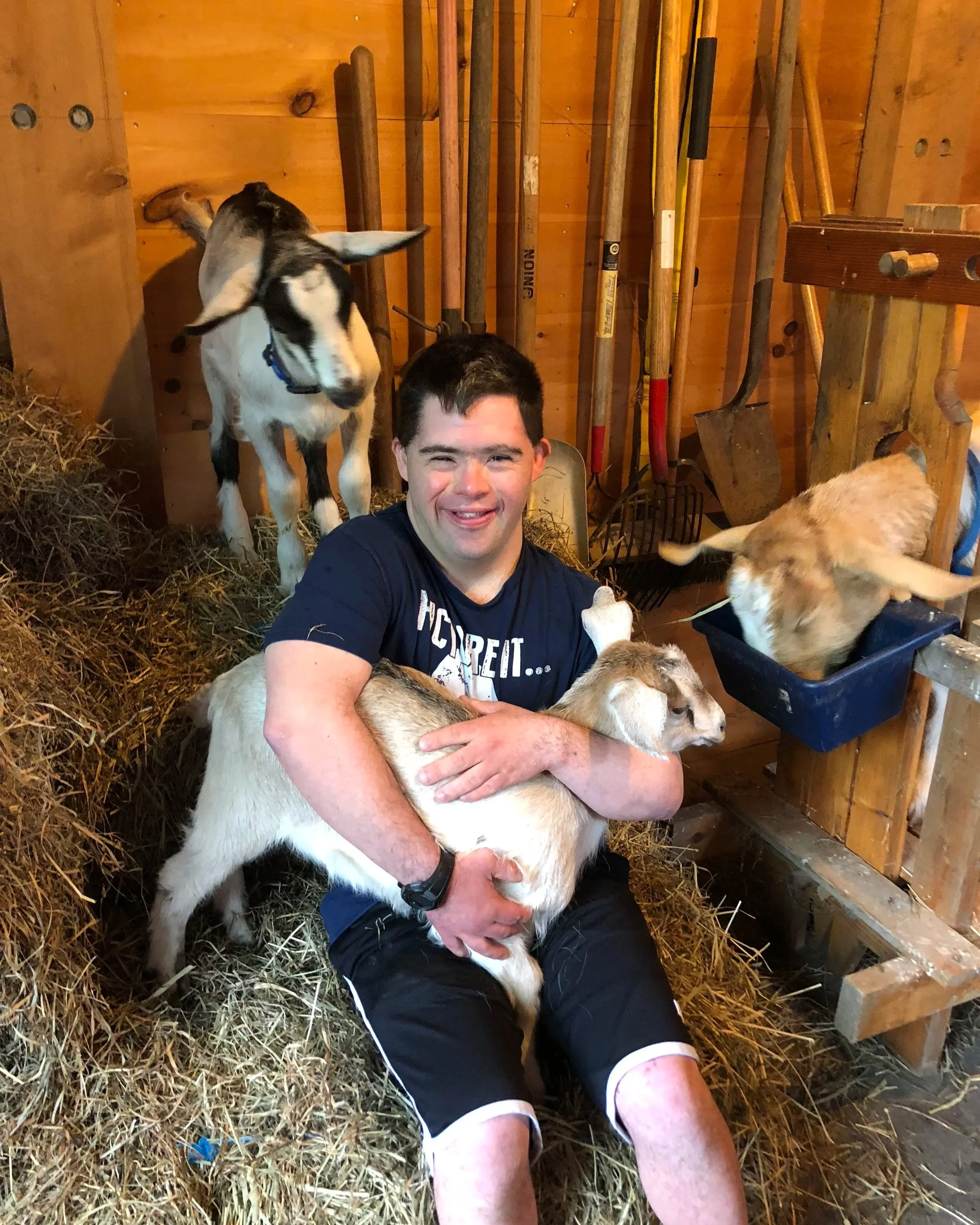
And Matthew, who was now living in Hudson, really wanted his first job and his first paycheck.
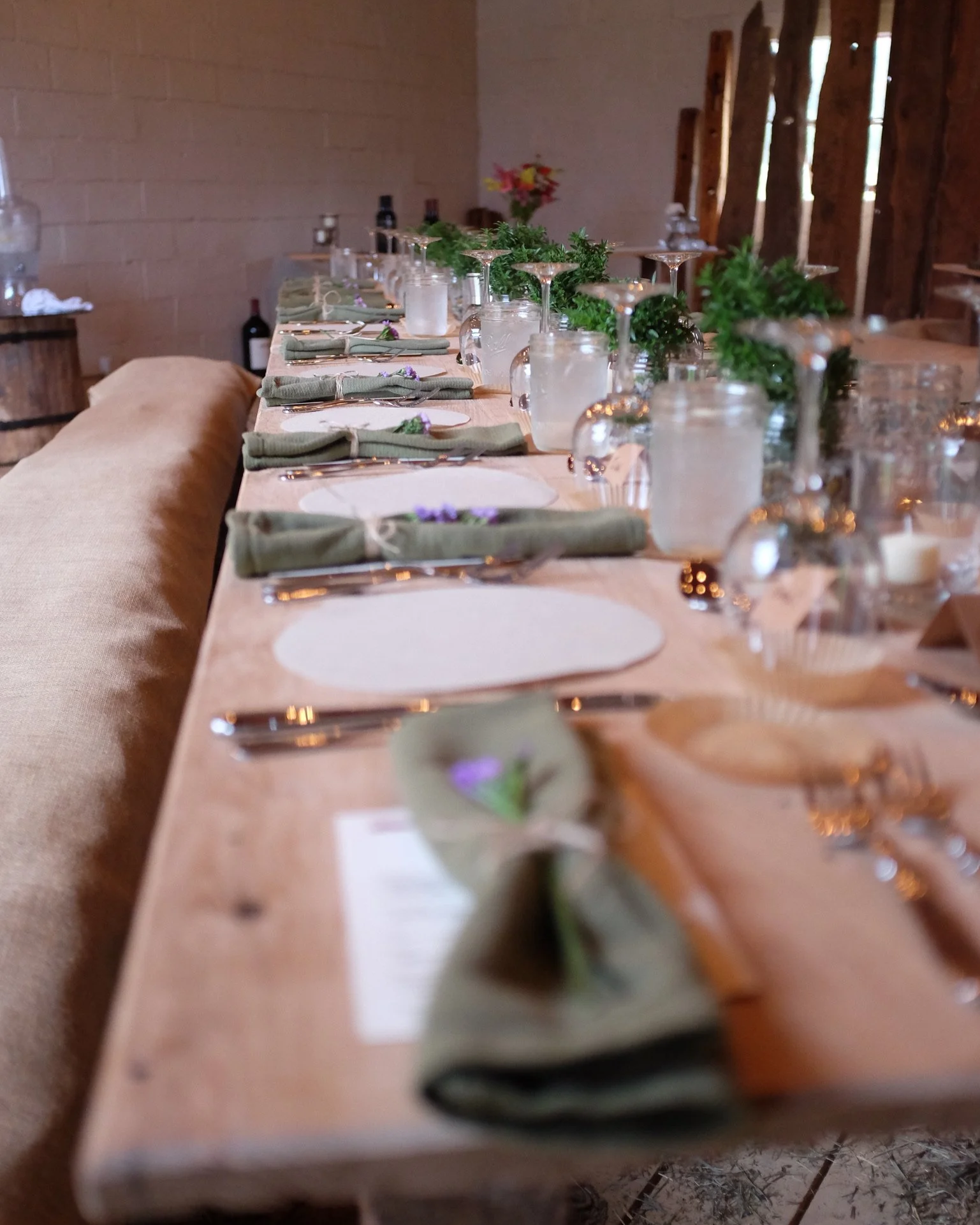
Our first farm-to-table dinner
By then we held five big farm-to-table dinners and three smaller, rare wine dinners with our eldest son, Andrew, which had all gone well.
Led by Julie, we were all ready for the next step, and we identified about a quarter of the big barn for The Kitchen at Ten Barn Farm. The plans were drawn up, Brad built the deck, kitchen equipment orders were being contemplated when two unexpected things happened–I got a really interesting year-long research fellowship in California and COVID turned the world upside down.
Julie agreed to hold down the fort (and also care for my chickens) while I was in Palo Alto with the understanding that after that year of privilege, I would come back in June of 2021 ready to roll up my sleeves as her, and Peter’s, maintenance man and front of house guy. She oversaw the building of the Kitchen blending the old with the new. It turned out great, but, like so many construction projects, it took longer than expected. So we set our sights on spring 2022 for the launch.
With construction done, but six months until opening, we had time to think about what we hoped The Kitchen might become. We did not know what to expect, but there were definitely guiding ideas that we hoped would be central to the endeavor: we wanted to serve really fresh food grown organically in our healthy soil that traveled only a few yards to the plate; we were preserving the land, returning the farm to its working roots and, in doing so, we were connecting with all those farmers who had come before; we wanted to share the beautiful farm as well as the idea of small scale family farming with the community; we wanted to give Matthew meaningful work and be an example of the benefits of inclusive employment; and we hoped to become a gathering place where we got to know our customers (and they got to know each other) creating community in a lonely world.
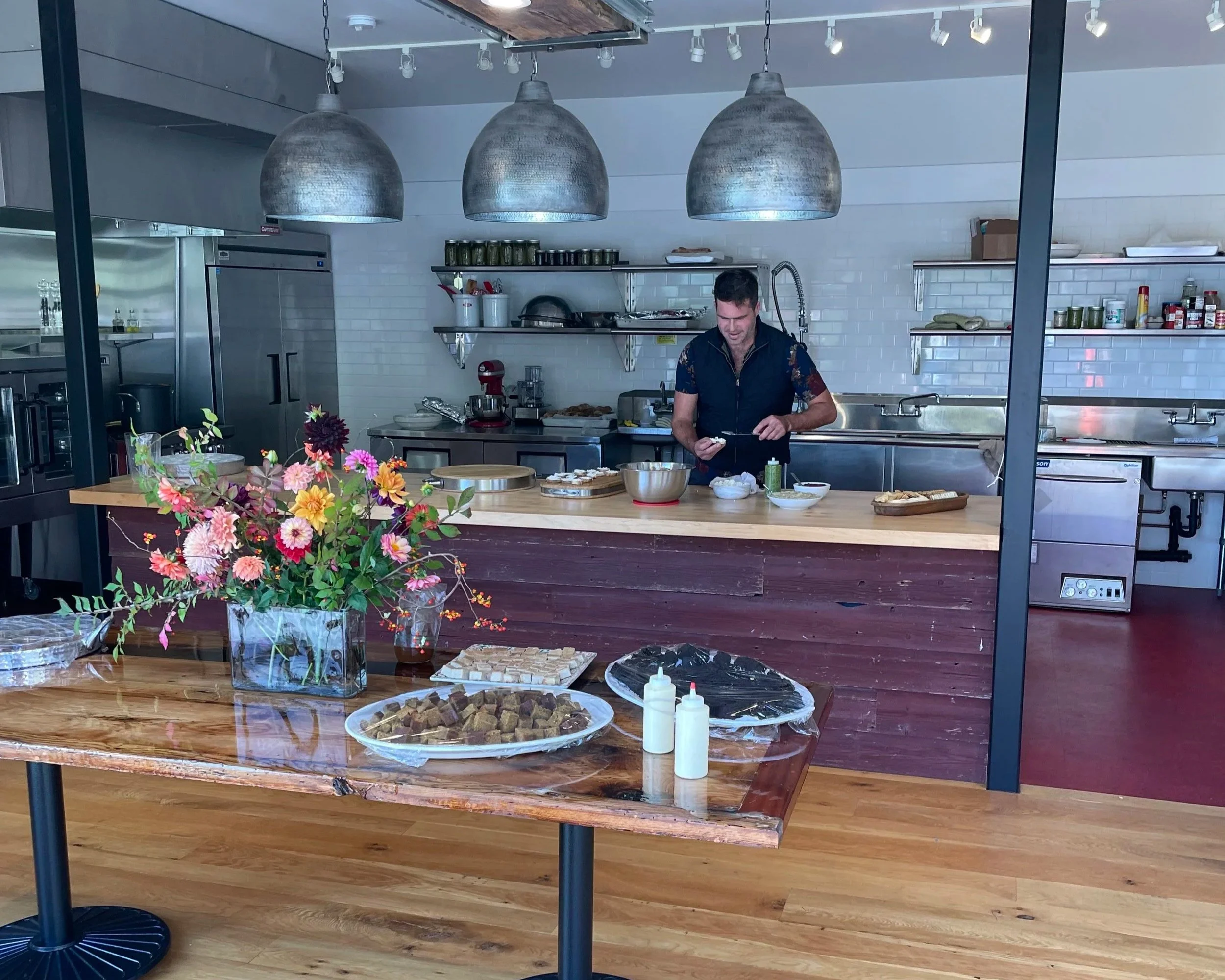

We opened Memorial Day weekend 2022 with hand-painted signs out front and a few Instagram posts. The plan was to be open Friday-Sunday for brunch.
Folks started showing up that first weekend in small numbers, and we became immediately hopeful because so many seemed genuinely surprised when they walked to the back of the farm, turned the corner, saw the cafe and said, “Wow, I had no idea this was back here.” And after enjoying their parmesan dressed eggs on sour dough toast and cream cheese scrambled eggs on Japanese milk bread, those first patrons helped us spread the word. Another crucial piece of our first season was that the weather was gorgeous almost every weekend (very different from recent years), so we began to have regulars and the TBF community started to form. Fridays were pretty dead with so many of your patrons only here on the weekend, but Julie and Peter treated Friday as a prep day for the weekend with the occasional customer coming in. Soon Saturdays had a steady flow of customers, and some Sundays we were genuinely busy. And when the tomatoes, eggplants, shisito peppers, and the rest of that first summer’s bounty started showing up on the menu, people started checking the menu on instagram before coming in, and we started to feel pretty sure the enterprise was going to work.
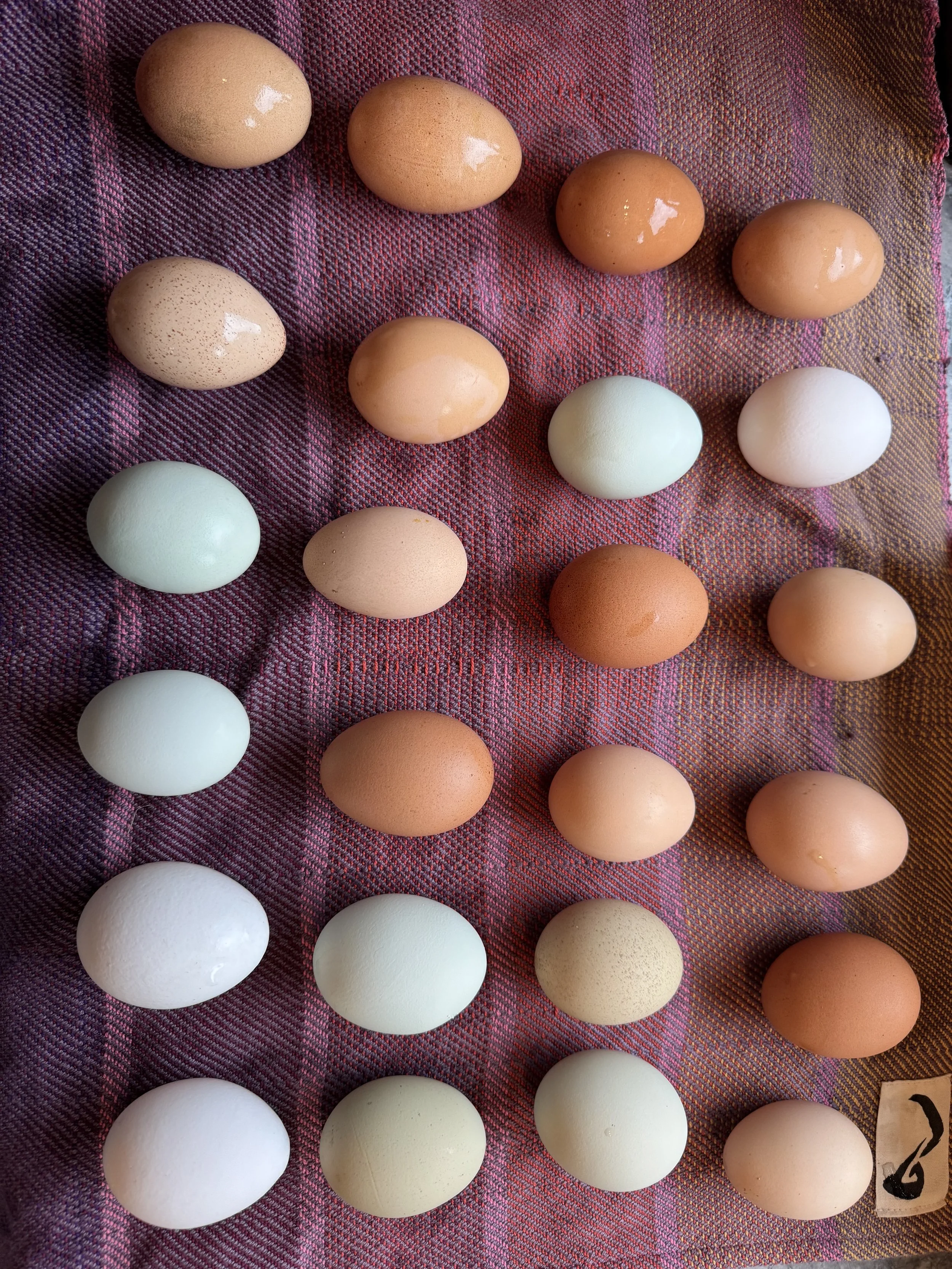
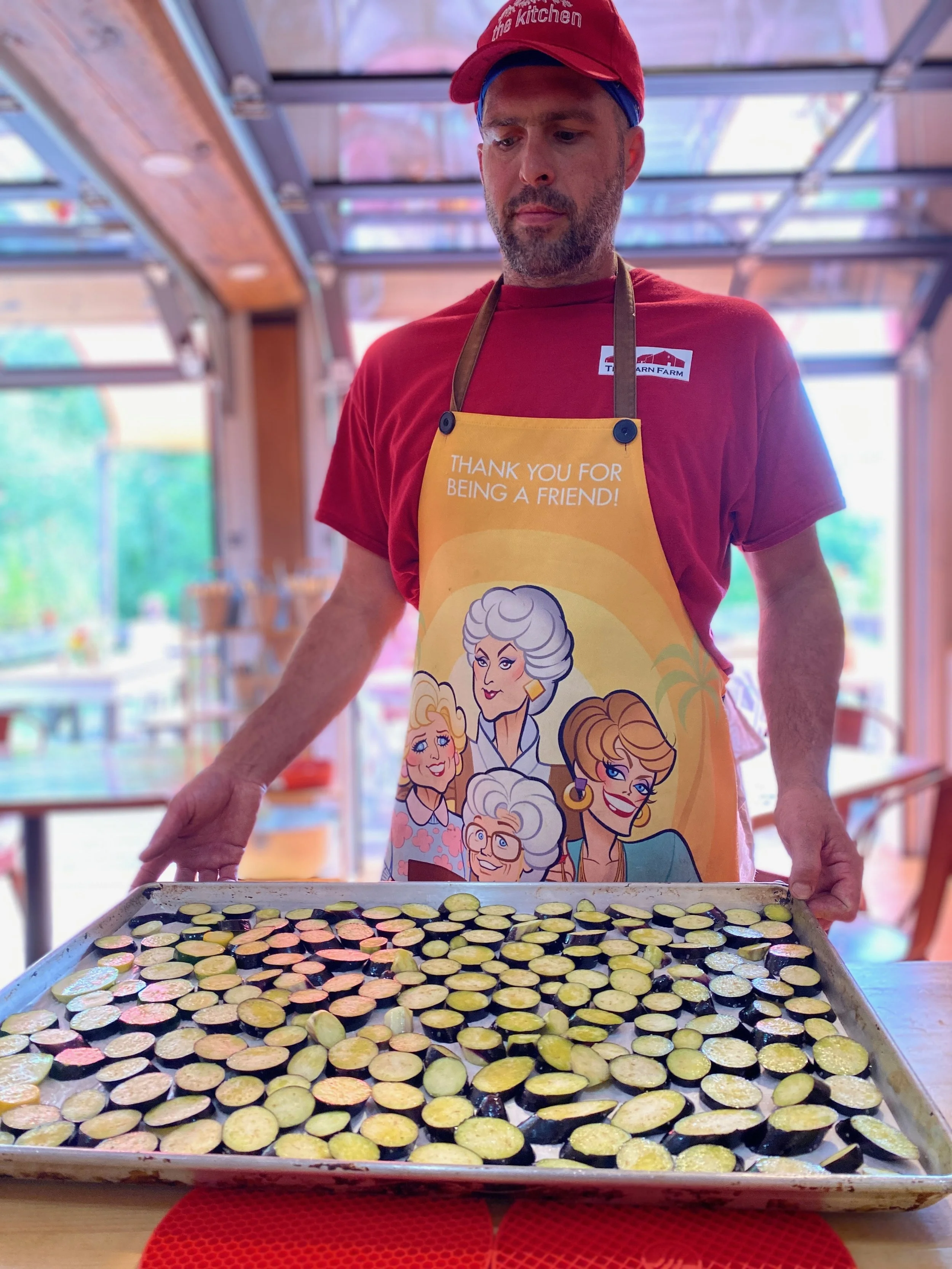
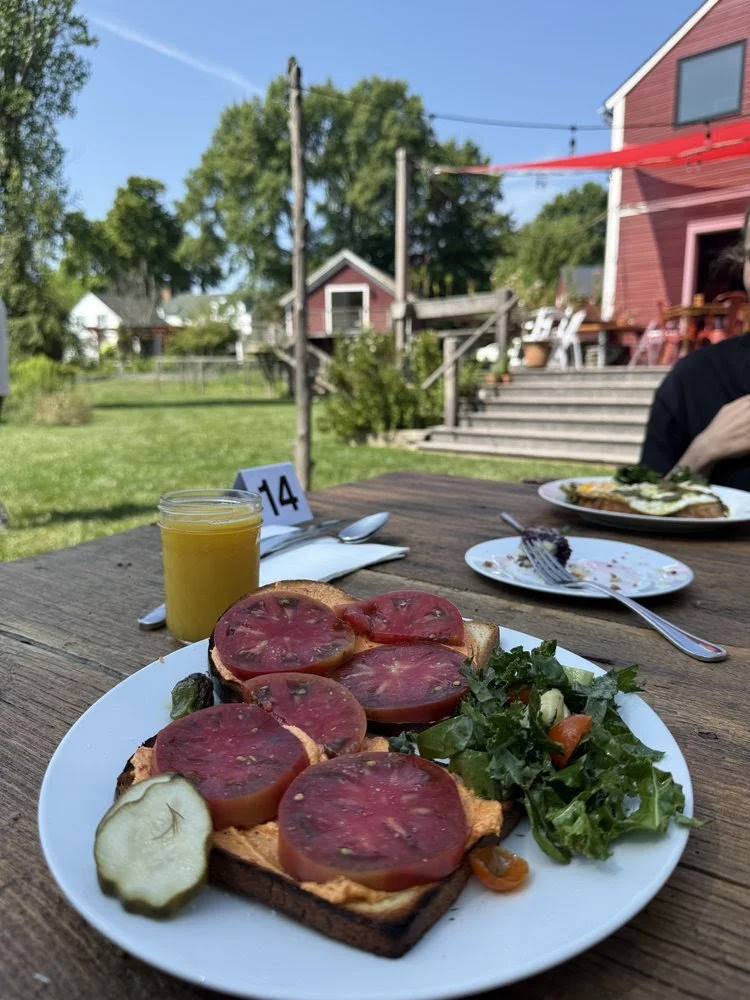
That first year it was just the three of us which was challenging–farming and harvesting as well as baking and prepping, not to mention keeping the grounds beautiful and running the cafe–but that year there was a lot of adrenalin pumping through us as a growing number of people seemed to genuinely appreciate what we were trying to do. The second year we added an employee, held a coffeehouse, cooking class and a few more dinners exploring new possibilities while continuing to serve brunch Friday-Sunday. And our customer base grew in a way that we found quite manageable and friendships were forming.
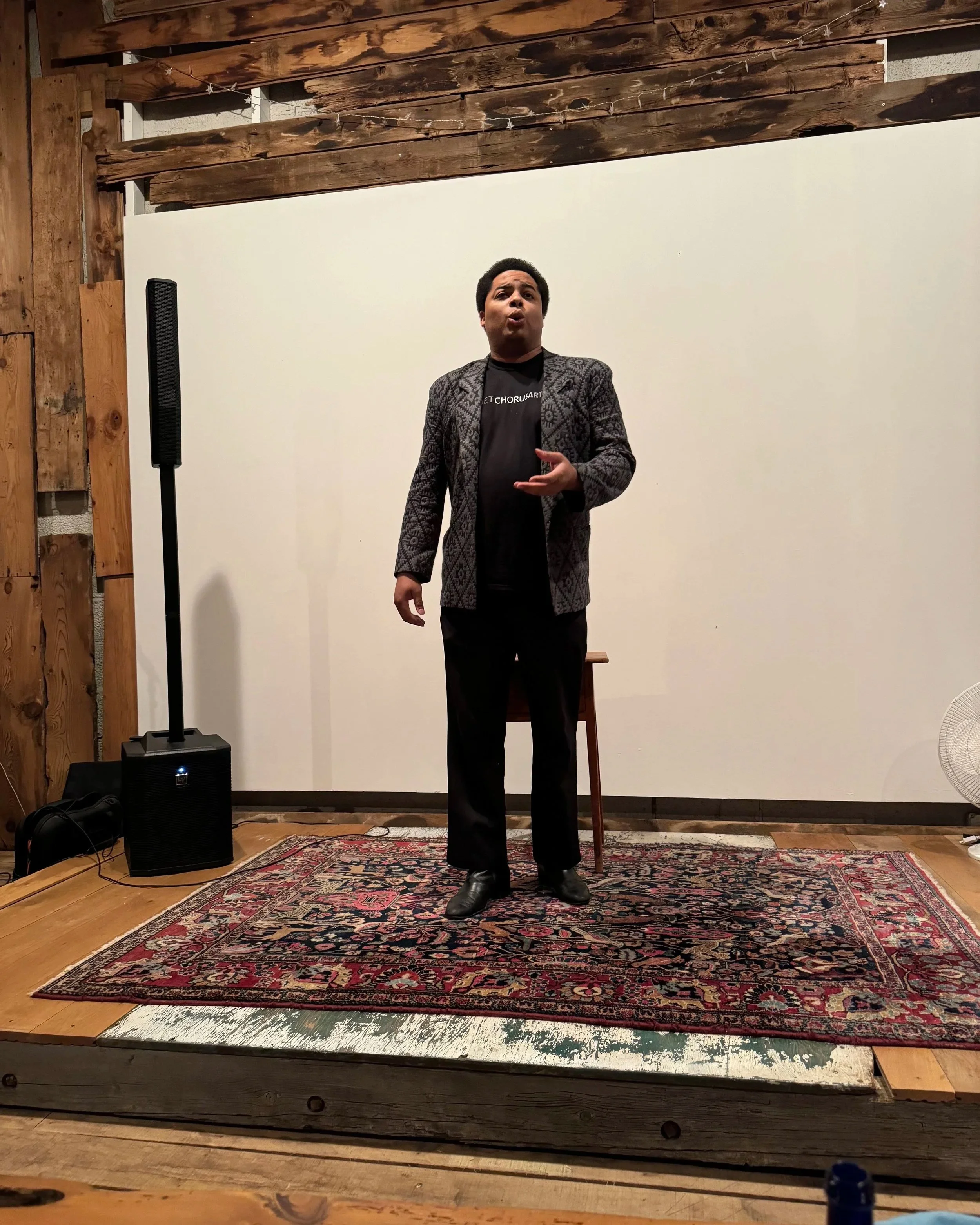
Opera in the barn
Anticipating more of an events program, I went through the tricky process of getting a seasonal New York State beer, wine and cider license the winter between our second and third years. This license led us to drop the quiet Friday morning hours and instead be open Friday evenings for tapas, wine and beer. I was convinced this was going to be a hit–the sun setting against the hillside, the cooling evening air, fresh food and good wine– but I was wrong.
People showed up in small numbers, which led to warm conversations and we enjoyed getting to know our Friday regulars, but the idea was not catching on sufficiently. That third year we did more evening events adding dinners as well as plays, operas and storytelling evenings in the performance barn. We also had our first art show.
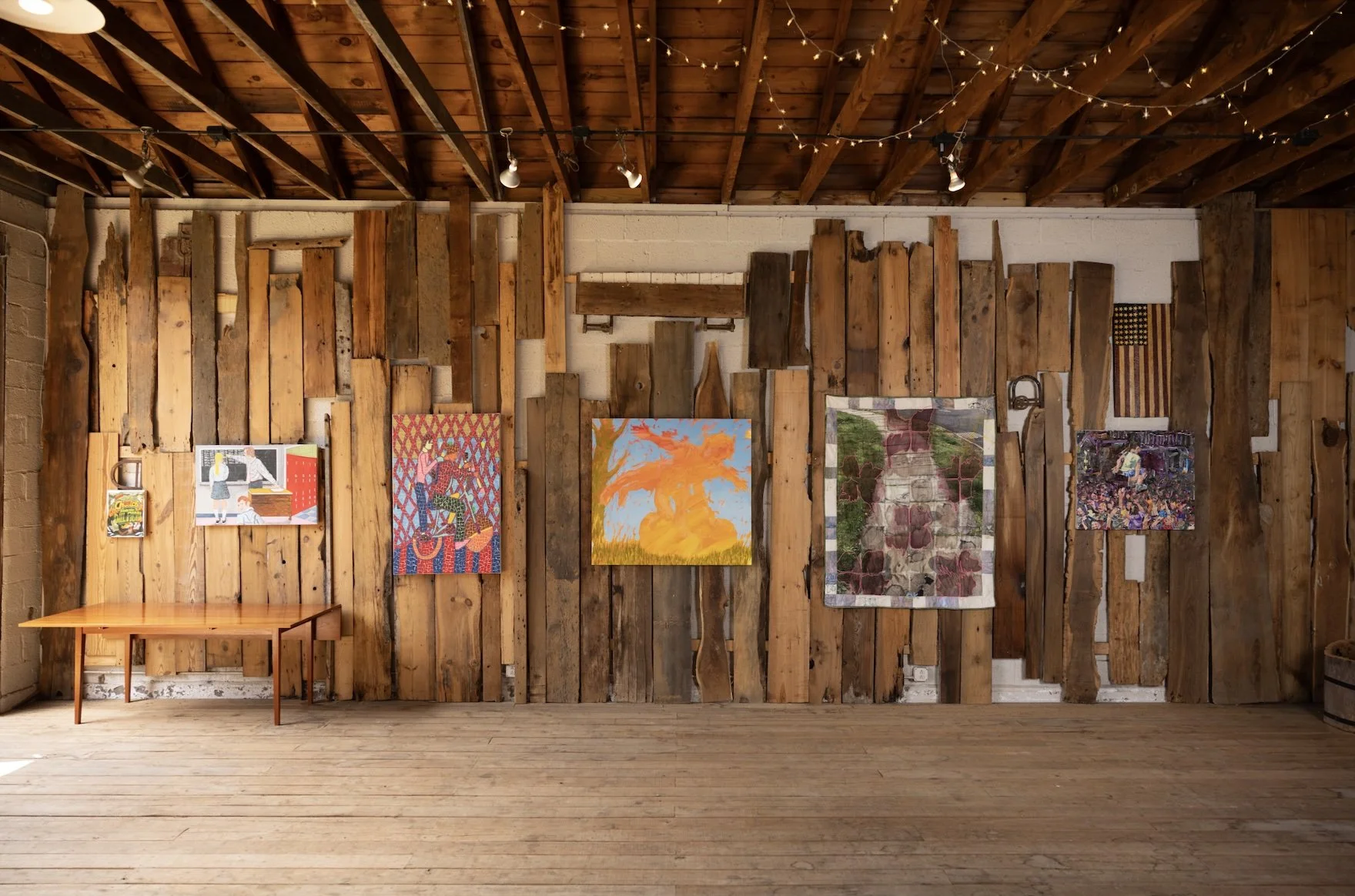
The Macedonia Institute
This past winter, having decided we would no longer open regularly on Friday nights, we really leaned into the event programming–packing the schedule with a diverse set of offerings which we knew would both test us as well as testing community tastes. Everything sold out which was great, but what we had not anticipated after three years of steady but manageable growth in our brunch business was that we would suddenly see a 50% increase in the number of meals we are serving in the cafe each weekend. The success of our weekend brunches combined with all the evening events has been challenging, and has helped Julie and me realize it is time to step back a bit and let Peter take the lead next year.
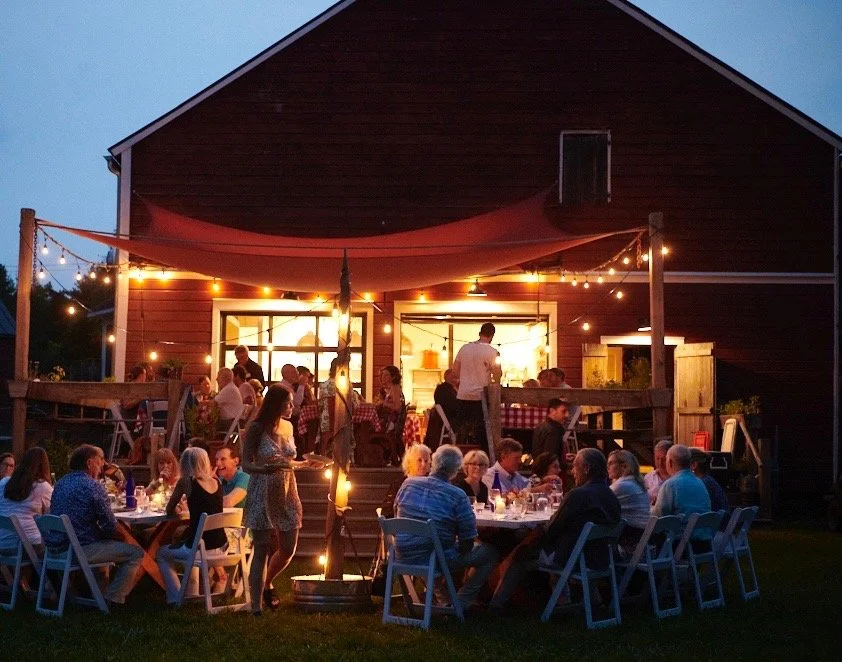
7th Annual Farm-To-Table Dinner, 2023
Luck is so crucial in any life, and lucky us that by simply following Matthew up to Hudson, an area about which we knew nothing, we found a perfect place to become a family of farmers, preservationists, and finally restaurateurs. This unexpected turn really connected us to a place and brought an awareness of a whole set of new issues–some of which I have written about in earlier newsletters–sustainability and preservation; organic practices and carbon footprints; the joys of inclusive employment; and the frustration of US agricultural policy and farm bills that deliver 85-90% of the benefits to corporate farms growing three or fewer crops, while providing no support to small-scale, family farms using sustainable practices. We have learned a lot, and perhaps most importantly learned the pleasure of hard work.
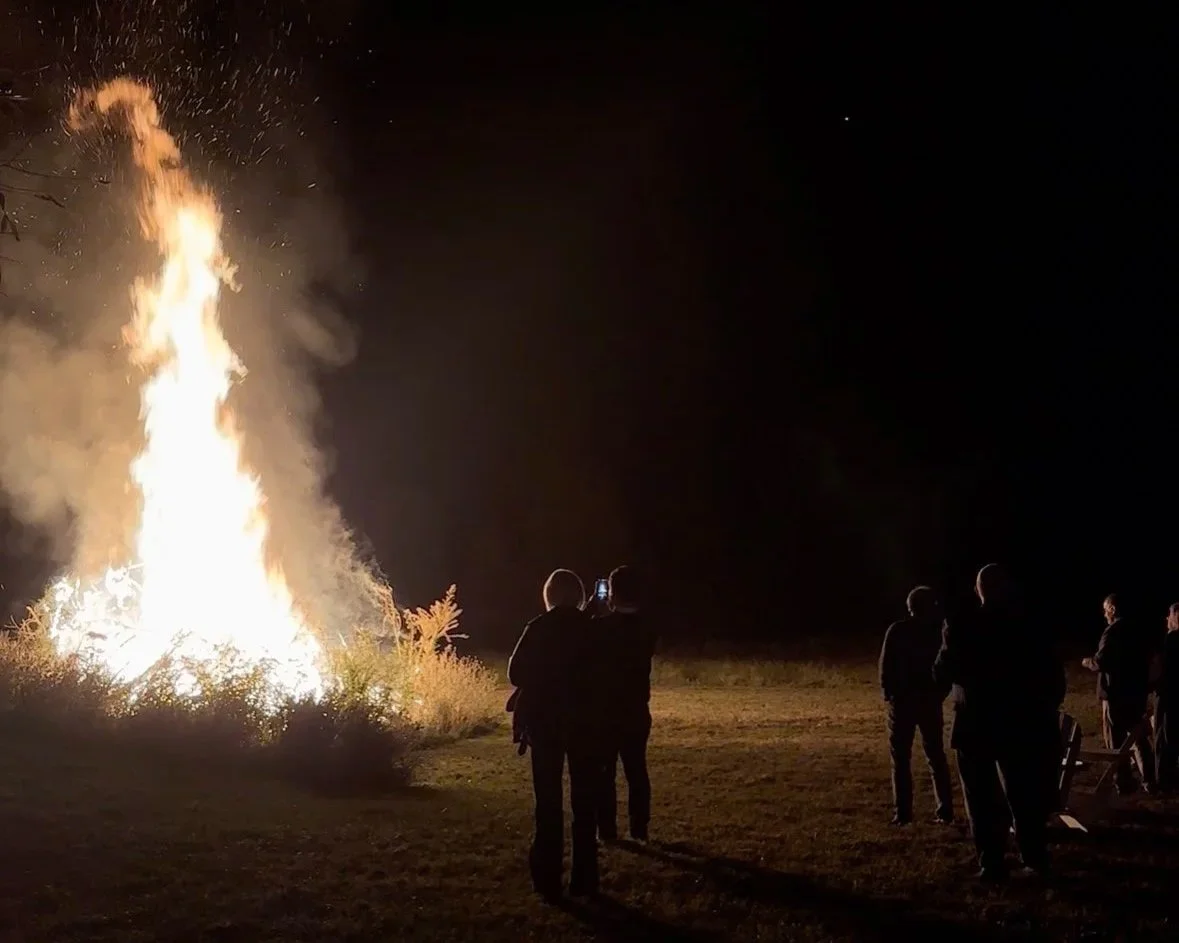
As we lit the bonfire at the end of our 9th Annual Farm-to-Table dinner in September, I looked around at tables full of people exchanging contact information as well as friends who had been coming to the event together for years.
Our family had flown in from Michigan and California to help us put on the evening. In a fractured and lonely world, it felt pretty good to have become a place where people come together to celebrate community with an expectation of meeting (and liking) new people.
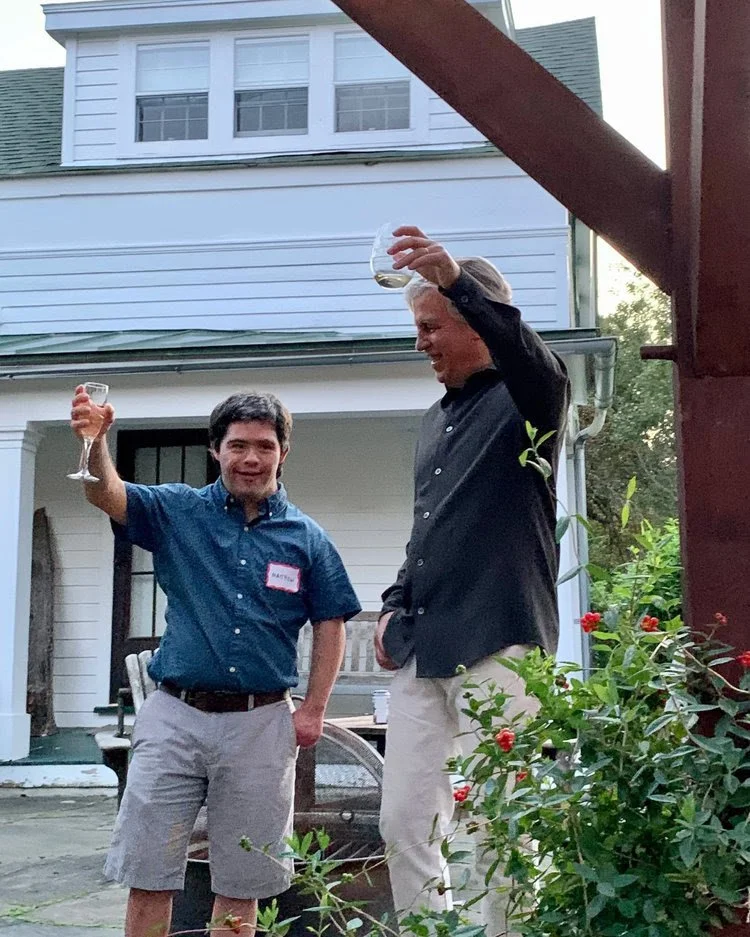
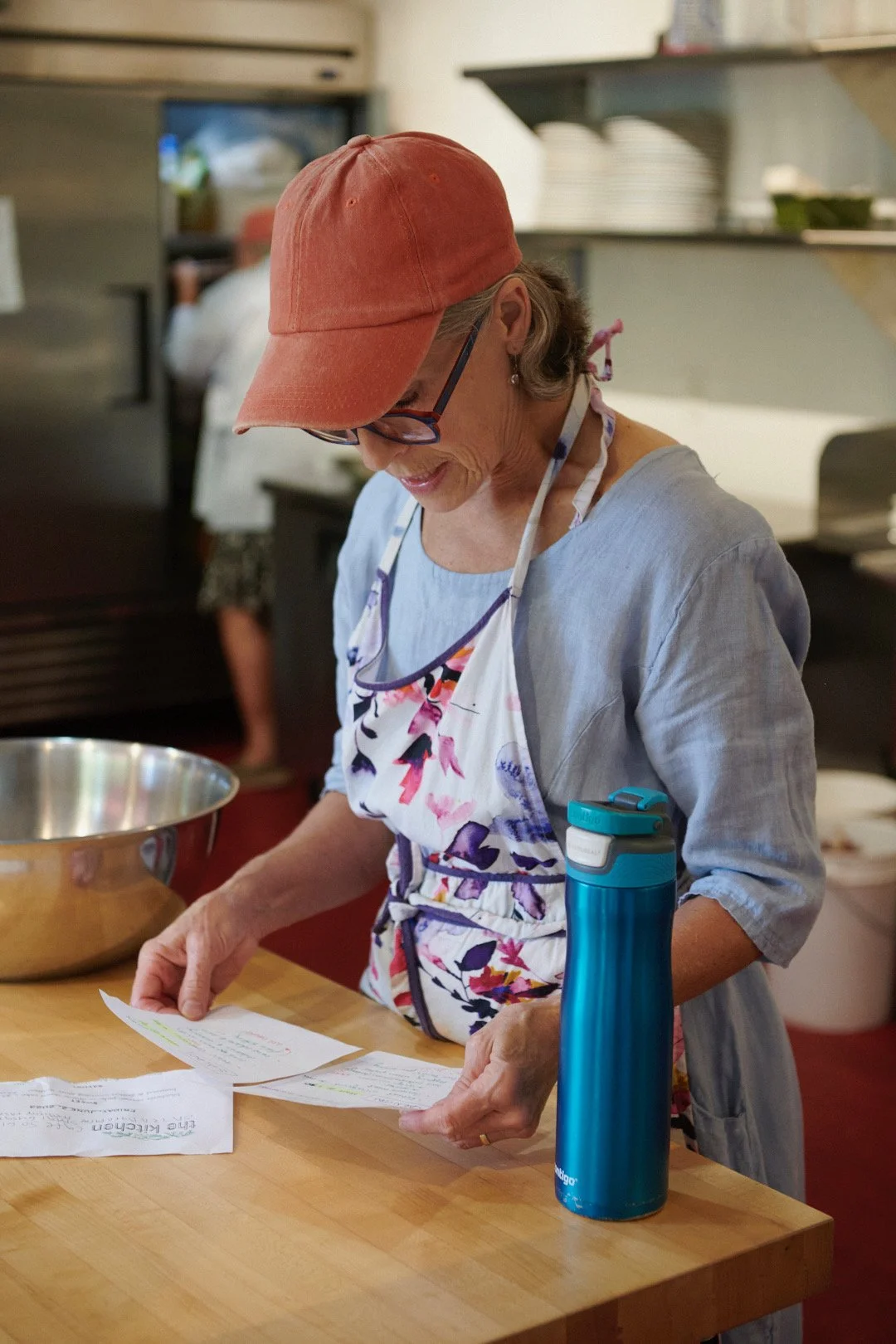
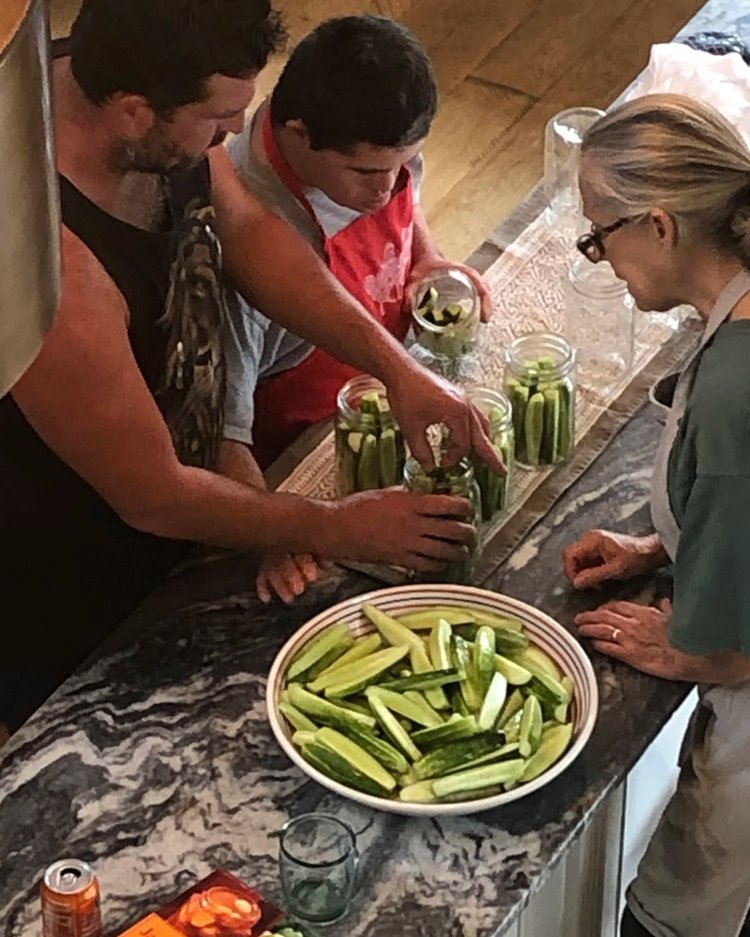
Pictured above: Matthew opens all events, “The Boss”, making pickles
Each year the word of our efforts spread, and this year felt like a tipping point with so many new people visiting. We miss seeing some of our favorites from earlier years, but know they will continue to support us as time allows. We are open through October, which means Julie and I have only three weekends left at the helm. Please come visit, offer your thoughts to Peter, Matthew, Nora, and Julian on what should come next, and let us thank you for four interesting years.